A fortified depot on a vulnerable railroad line
New Creek, present-day Keyser, West Virginia, occupied a strategic point in the upper Potomac region because it sat directly on the Baltimore & Ohio Railroad. During the Civil War, the B&O served as a vital Union transportation corridor, carrying troops, military stores, animals, food, weapons, and intelligence across the mountains between the Ohio Valley and the eastern theaters of war B&O context.
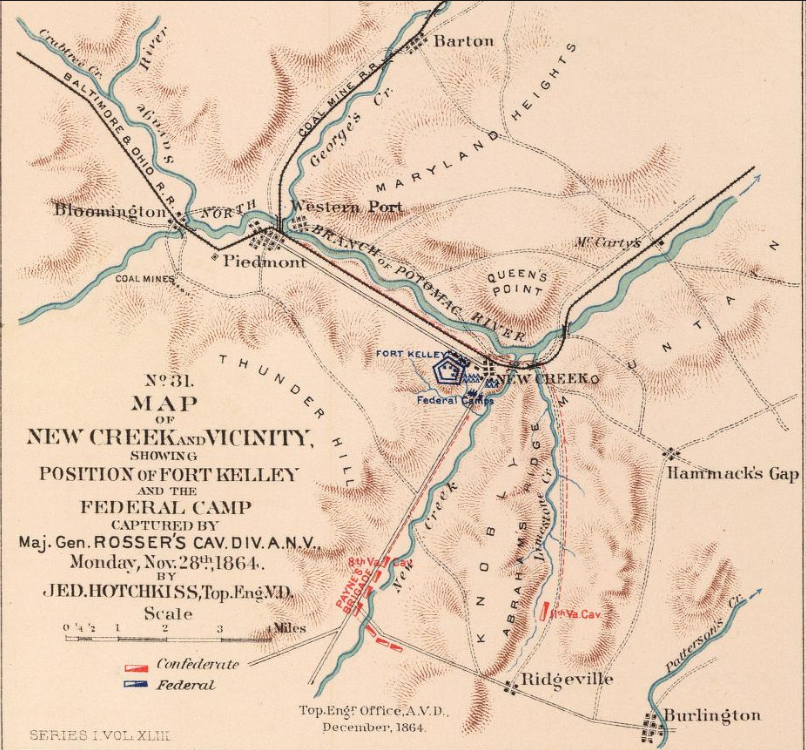
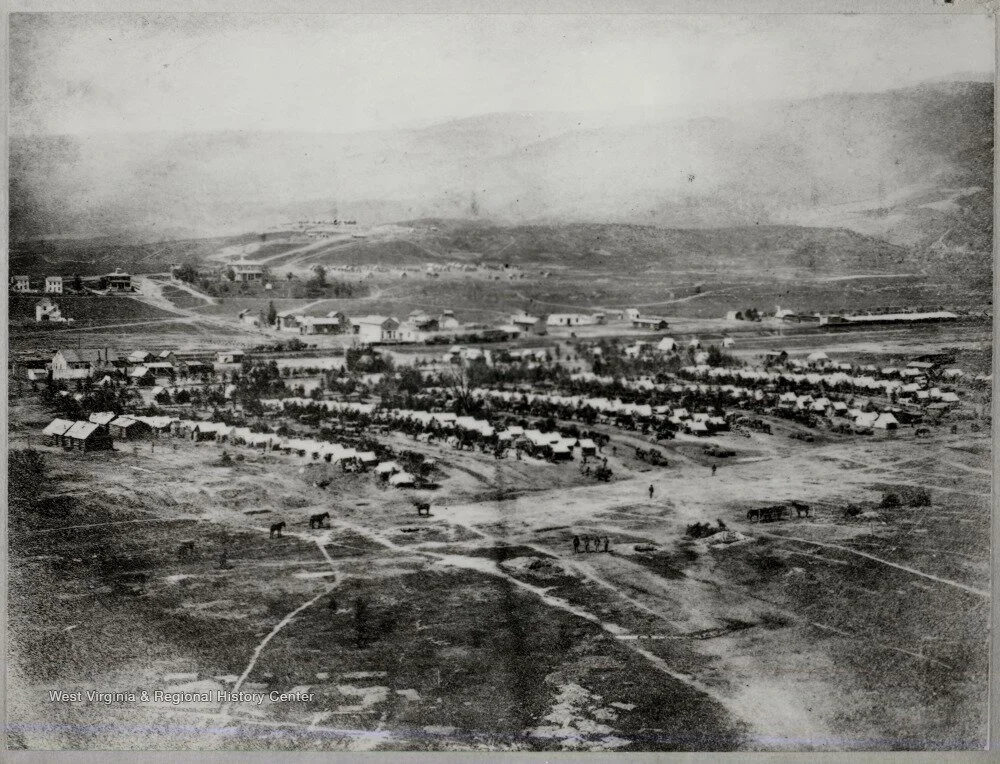
The Federal post at New Creek was therefore more than a local garrison. Fort Kelley, also called Fort Fuller in some later accounts, protected the depot, the railroad shops, the wagon stores, and the surrounding valley approaches. Camps and picket lines spread across the nearby hills and roads. The post's strength depended not only on earthworks and artillery, but on warning, scouting, and a clear understanding of Confederate movement through Hardy and Hampshire Counties New Creek map.
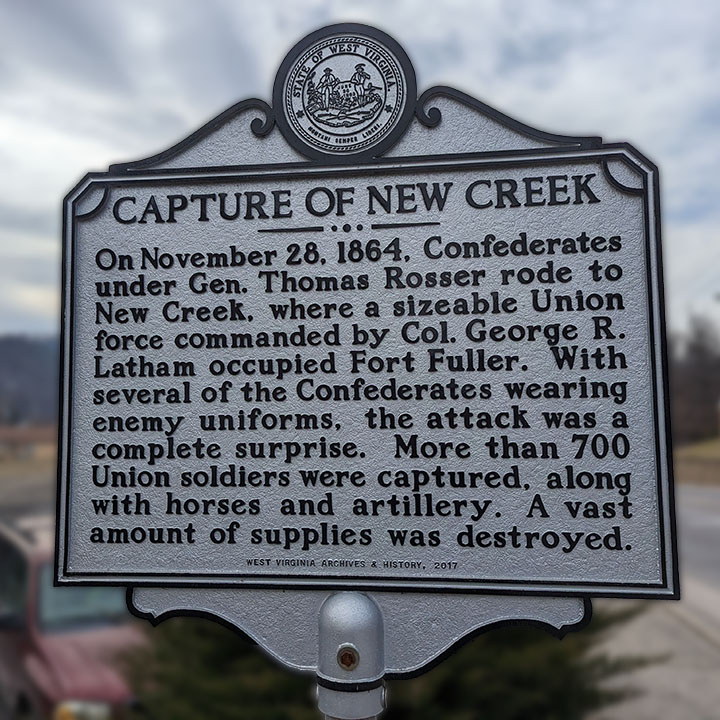
On November 28, 1864, Confederate cavalry under Maj. Gen. Thomas L. Rosser turned that system against itself. Using speed, concealed movement, and a deception at the picket line, Rosser's command overran the position, captured artillery and hundreds of Union soldiers, and destroyed valuable railroad and quartermaster property Official Records.
The War Department reports also reveal that the raid continued beyond the fort itself. As New Creek collapsed, nearby Union detachments tried to understand whether they could reinforce, retreat, or defend the railroad line. Reports from Maj. Peter J. Potts, Col. William C. Starr, and Capt. John Fisher show that the incident widened into a moving crisis along the New Creek-Piedmont corridor Official Records.